Thinking about owning a condo in Snowmass? It is easy to focus on the finishes, the view, or the ski access, but resort condo ownership here is also about how you want to use the property day to day. If you are buying for family ski trips, lock-and-leave convenience, or short-term rental potential, the right fit often comes down to building rules, management, and location within the resort. This guide will help you sort through the key factors so you can evaluate Snowmass condo ownership with more clarity and confidence. Let’s dive in.
Snowmass Ownership Starts With Location
Snowmass is not built around one single compact base area. Instead, the resort is organized around multiple village nodes and ski access points, including Snowmass Base Village, the Snowmass Village Mall, Two Creeks, Elk Camp, Assay Hill, Village Express, and Coney Express.
That layout matters when you buy a condo. Two properties can both be in Snowmass but offer very different daily experiences depending on whether you want a pedestrian-focused setting, quick gondola access, a quieter location, or easier connections to the Mall or Center.
The Town of Snowmass Village has also emphasized stronger multimodal connections between Base Village, the Mall, and the Center. In practical terms, that means walkability, shuttle access, and car-light convenience can play a meaningful role in how enjoyable a property feels to use.
Why Base Village Feels Different
Base Village stands out for its pedestrian environment. If you want a resort experience where you can move around easily without relying much on a car, this part of Snowmass may deserve extra attention.
That does not automatically make it the right fit for everyone. Some buyers prefer a slope-side building in a different part of the resort, especially if ski access, privacy, or a specific view corridor matters more than being in the core village setting.
Ski Access Is A Major Value Driver
In Snowmass, ski access is one of the first things buyers should verify. Listings and property descriptions often use similar language, but there is a real difference between true ski-in/ski-out, ski-in/walk-out, and a short shuttle-assisted route.
Official resort and lodging descriptions consistently highlight direct or near-direct access at several Snowmass properties. That repeated emphasis is a strong signal that convenience on a ski day remains one of the clearest drivers of buyer interest.
Ask What “Direct Access” Really Means
Before you make an offer, ask how the access works in winter conditions. Can you click in and ski from the building, or do you need to walk a short stretch, cross a path, or use a shuttle?
That distinction affects not only your own use, but also how future buyers may view the property. In a premium market like Snowmass, small differences in ski convenience can carry real weight.
Views And Setting Matter More Than You Think
Views show up again and again in how Snowmass properties are positioned. Panoramic alpine views, slope views, and village-facing vistas are commonly emphasized, which suggests orientation and outlook play an important role in how condos are valued and marketed.
Even when two units have similar square footage or amenities, the one with a stronger visual connection to the mountain setting may feel more compelling. That can shape both your enjoyment and future resale appeal.
Compare More Than The Interior
When you tour condos, look beyond finishes and furniture. Pay attention to what you actually see from the main living area, primary bedroom, and outdoor space, if there is one.
A great floor plan can lose some appeal if the outlook feels limited. On the other hand, a well-placed unit with standout mountain views may deliver a stronger overall ownership experience.
Amenities Can Change The Ownership Experience
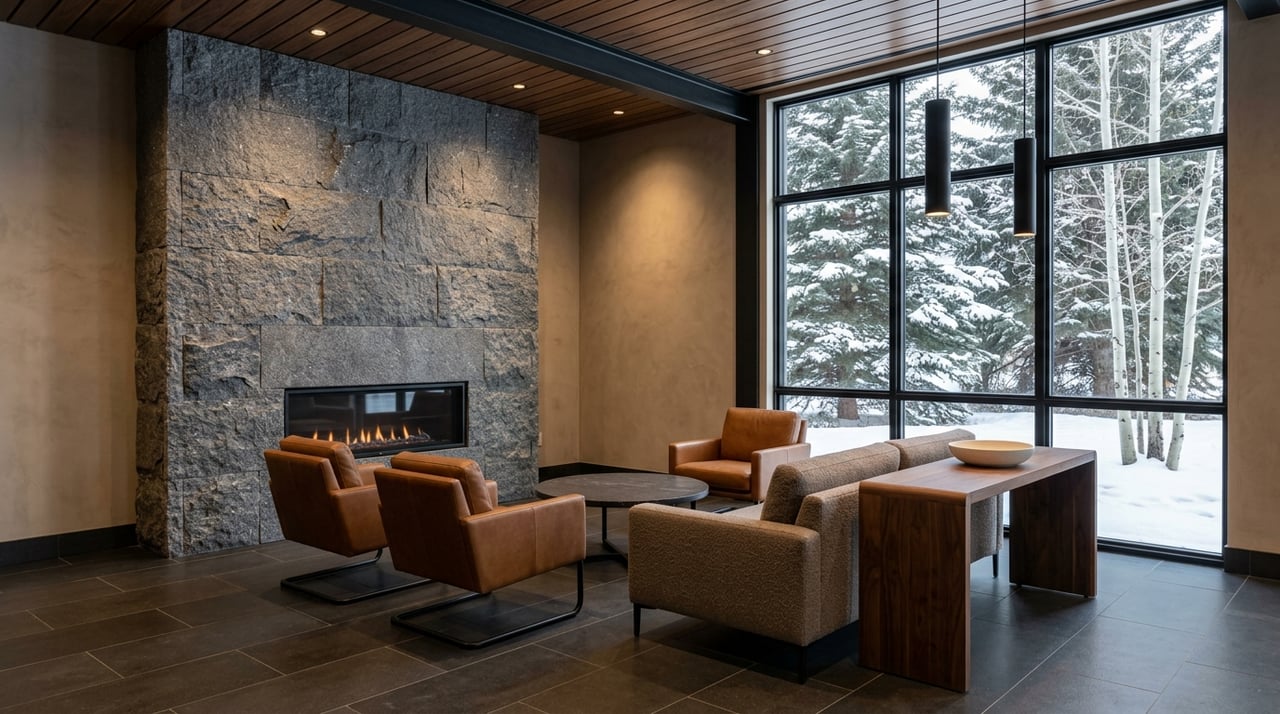
Snowmass resort condos range from relatively straightforward condominium living to buildings that function more like full-service residence hotels. Common features often include full kitchens, fireplaces, living rooms, wireless internet, ski storage lockers, and sometimes balconies or decks.
From there, the amenity spectrum can expand quickly. Some properties offer heated pools, hot tubs, fitness or steam rooms, concierge support, front-desk service, airport or village shuttles, daily housekeeping, ski valet, tuning, or on-site ski services.
Hotel-Style Service Vs Traditional Condo Living
Higher-service properties in Snowmass can feel very different from classic residential condos. Buildings associated with hotel-style operations may offer a smoother arrival and stay experience, especially for second-home owners who value convenience.
That said, more service usually means more operating cost. If you love the ease of daily housekeeping, front-desk assistance, or ski concierge, make sure you also understand how those services affect monthly or annual ownership expenses.
HOA Review Is Essential In Snowmass
In a resort condo purchase, the homeowners association is not a side issue. It is central to what you own, what you pay for, and how the property is maintained over time.
Colorado guidance makes clear that HOA relationships are defined by governing documents. Buyers should review the declaration, bylaws, rules, governance policies, budgets, meeting minutes, reserve information, and any pending special assessments.
What The HOA Usually Handles
A Snowmass condo HOA commonly administers the common elements, sets the annual budget, maintains reserves, and oversees shared areas such as building exteriors and interior hallways. That makes the financial and operational health of the association a key part of your due diligence.
You will want to know what the HOA covers and what falls outside those common elements. For example, repairs, utilities, owner storage, maintenance responsibilities, and reserve planning can vary from one building to another.
Why Reserve Studies Matter
Reserve studies help show whether an association is planning for future repair and replacement costs. If reserves are underfunded, owners may face a greater chance of special assessments when major building needs come up.
That does not mean every special assessment is a red flag. It does mean you should review the association’s financial picture carefully and understand whether the building is being maintained proactively.
Management Style Affects Convenience And Flexibility
Not all Snowmass condo buildings operate the same way. Some are more board-governed residential communities, while others are closely tied to hospitality-style management or on-site rental programs.
That difference can affect everything from owner convenience to guest services and rental logistics. For a second-home buyer, management structure is often just as important as the unit itself.
Questions To Ask About Management
Ask who handles:
- owner communication
- front-desk support
- housekeeping
- ski storage or ski services
- maintenance coordination
- rental bookings, if applicable
- guest check-in and on-site assistance
A strong management setup can make ownership much easier, especially if you live outside the Roaring Fork Valley and want a property that is simple to enjoy and maintain.
Short-Term Rental Rules Need Close Attention
If rental income is part of your plan, short-term rental rules deserve early review. In Snowmass Village, renting a dwelling unit for fewer than 30 consecutive days requires both a business license and a short-term rental permit.
According to the town, the short-term rental permit fee is $400 and the business license fee is $85. Permits renew annually on April 30, permit numbers must appear in listings, and Airbnb and VRBO no longer remit sales tax on the owner’s behalf.
Building Type Can Affect Your Permit Path
Snowmass Village separates short-term rental permits by property type, including hotels, multi-family A, multi-family B, and single-family or duplex categories. The town specifically lists Crestwood, Timberline, Stonebridge, and Viceroy as examples of multi-family A buildings.
The town also notes that owners who do not participate in centralized management may need a different permit type. That is why it is important to confirm both the town rules and the building’s own rental policies before you buy.
Market Context: A Premium, Selective Segment
Snowmass condos sit in a high-value resort market, and the broader numbers help frame that reality. As of the Aspen Board of Realtors Snowmass Village market update dated June 3, 2026, the townhouse and condo segment showed a year-to-date median sales price of $2.634 million, an average sales price of $3.257 million, 146 days on market, and 10.7 months of inventory.
Those figures are not a substitute for building-specific analysis. Still, they reinforce that buyers in Snowmass are making decisions in a premium and selective segment where ski access, views, HOA quality, amenities, and rental rules can materially affect value.
A Smart Snowmass Condo Checklist
As you narrow your options, these are some of the most useful questions to ask:
- Is the ski access truly direct, or is there a walk or shuttle component?
- What exactly does the HOA cover?
- Are reserve studies current?
- Is there any risk of a pending special assessment?
- Who manages the property and rental operations?
- Does the building allow short-term rentals?
- Which short-term rental permit type applies?
- How many parking spaces come with the unit?
- Is ski storage included?
- How does the location function in summer and winter?
A condo that looks great online may not match your goals once you understand the building structure behind it. The best purchase is usually the one that aligns your lifestyle, expected use, and financial comfort with the realities of that specific property.
Why Local Guidance Matters
In Snowmass, resort condo ownership is not just about finding an attractive unit. It is about matching the right building, access point, management model, and ownership structure to the way you actually want to live and use the property.
That is especially important in a market where Base Village, slope-side communities, and service-rich residences can each offer a very different ownership experience. A thoughtful, building-level review can help you avoid surprises and focus on the options that truly fit.
If you are exploring resort condo ownership in Snowmass and want clear, experienced guidance, Steve Harriage can help you evaluate location, lifestyle fit, and building-specific details with a calm, informed approach.
FAQs
What makes Snowmass condo ownership different from a typical condo purchase?
- Snowmass condo ownership is usually a mix of real estate, resort access, building amenities, HOA structure, and rental rules, so the ownership decision goes beyond the unit itself.
What should you check about ski access in Snowmass condos?
- You should confirm whether the property is truly ski-in/ski-out, ski-in/walk-out, or dependent on a short walk or shuttle, because that difference can affect both convenience and value.
What HOA documents should you review before buying a Snowmass resort condo?
- You should review the declaration, bylaws, rules, governance policies, budget, meeting minutes, reserve information, and any pending special assessments.
Are short-term rentals allowed in Snowmass Village condos?
- Some are, but you need to confirm both the town’s permit requirements and the building’s own rules because permit type and rental structure can vary by property.
How much does a Snowmass Village short-term rental permit cost?
- The town states that the short-term rental permit fee is $400, and the business license fee is $85.
Why do amenities matter when buying a condo in Snowmass?
- Amenities shape both your experience and your costs, since service-rich properties may offer more convenience but often come with higher operating expenses through the HOA or building structure.
What is the current Snowmass condo market snapshot?
- As of June 3, 2026, the Snowmass Village townhouse and condo segment showed a year-to-date median sales price of $2.634 million, an average sales price of $3.257 million, 146 days on market, and 10.7 months of inventory.