Aspen vs. Snowmass CO: Mountain Lifestyle & Real Estate Comparison
Authored by Steve Harriage | Snowmass Village Real Estate Specialist
Aspen vs. Snowmass CO - Quick Comparison Summary
Choosing between Aspen and Snowmass involves balancing lifestyle dynamics, land density, and real estate market structures. Aspen offers an ultra-prime, culture-forward urban experience in a compact 3.86-square-mile grid targeting a $10,625,000 single-family median price. Snowmass Village delivers an expansive 25-square-mile residential environment centered on family ski access, trail networks, and modern resort residences with a $5,200,000 single-family median price.
Aspen Core vs. Snowmass Village: Key Metrics Comparison
Lifestyle & Market Factor | Aspen Core | Snowmass Village |
|---|---|---|
Single-Family Median Price | $10,625,000 | $5,200,000 |
Price Range | $5,000,000 to $40,000,000+ | $2,000,000 to $20,000,000+ |
Land Area & Density | 3.86 sq miles (Compact urban grid) | 25.0 sq miles (Spacious resort village) |
Ski Terrain Access | 906 acres (Aspen Mtn: 0% beginner) | 3,342 acres (Snowmass: 5% beg, 48% int) |
School District | Aspen School District RE-1 (In-town) | Aspen School District RE-1 (Bus serviced) |
Commute Distance | In-town walkability to Silver Queen Gondola | 9 miles northwest of Aspen Core (15-20 min transit) |
Primary Lifestyle Character | Culture-forward, fine dining, historic brick core | Spacious, ski-in/ski-out, family resort, trail network |
Best Match For | Walkable fine dining, galleries, performing arts | Ski-in/ski-out ease, open space, multi-gen groups |
Source: Aspen Board of REALTORS MLS Market Data 2026.
Aspen vs. Snowmass at a Glance
Aspen and Snowmass Village sit close to each other in Pitkin County, but offer distinctly different residential experiences. Aspen is a compact, historic silver-mining town spanning 3.86 square miles with an estimated 6,556 year-round residents. Snowmass Village covers a much larger 25 square miles with 3,090 residents, creating an expansive resort environment woven into mountain trail systems.
In practical terms, Aspen feels concentrated, historic, and vibrant year-round. Snowmass Village feels spacious, recreation-centered, and purpose-built for effortless ski resort living. Deciding between the two shapes every aspect of daily life, from morning gondola runs to evening dining routines.
Aspen Lifestyle: Compact, Historic & Culture-Forward
Aspen is the ideal match for buyers seeking a walkable, high-energy mountain town experience rich in cultural tradition. The city features a pedestrian-only brick mall lined with luxury flagships, fine dining establishments, and renowned cultural anchors like the Aspen Music Festival, Winter X Games, and the Aspen Ideas Festival.
Because downtown Aspen is compact, daily errands, dining out, and walking to the Silver Queen Gondola occur effortlessly on foot. For buyers who prioritize historic Victorian architecture, immediate access to world-class art galleries, and lively evening energy, Aspen provides an unmatched urban-alpine setting.
Snowmass Lifestyle: Spacious, Family & Resort-Centered
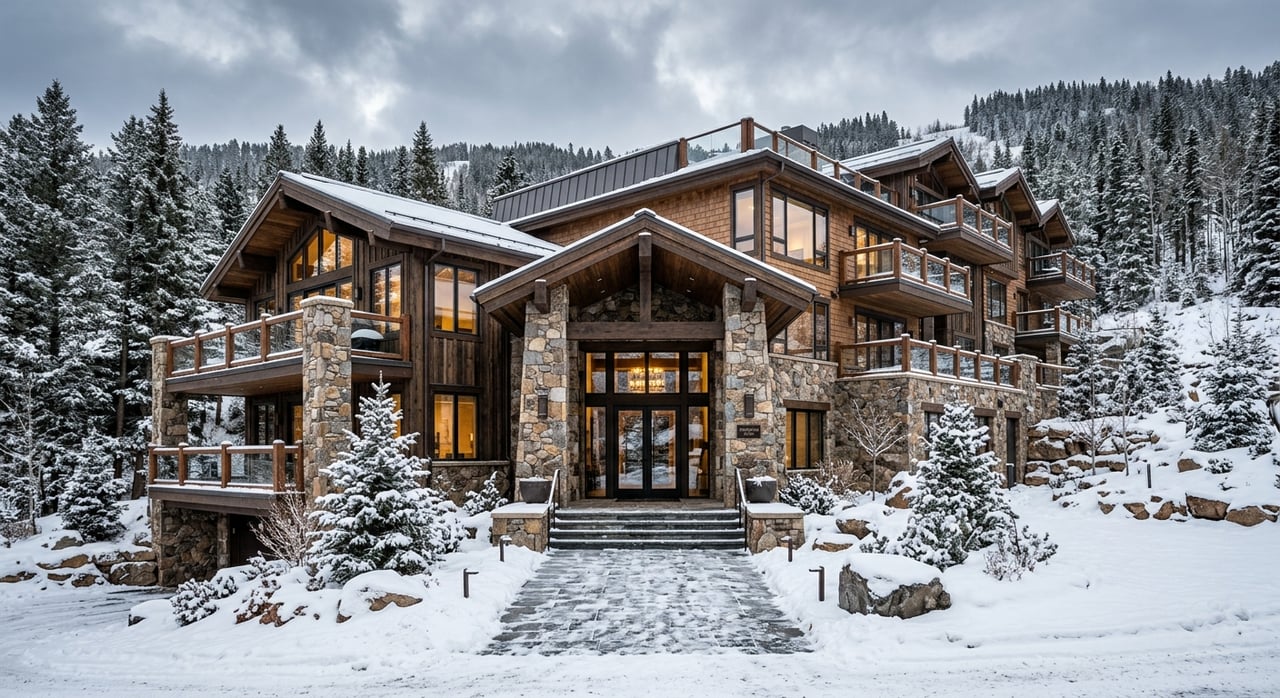
Snowmass Village delivers a different vision of mountain living. Located 9 miles northwest of Aspen, Snowmass is organized around a transit-oriented core (Base Village and Snowmass Mall) surrounded by timbered residential enclaves and protected open space. The community is built specifically around year-round recreation, outdoor access, and multi-generational family comfort.
Snowmass supports a car-light routine through the free Village Shuttle, the Sky Cab gondola connecting the Mall to Base Village, and free RFTA bus transit connecting to downtown Aspen. For buyers desiring spacious custom chalets, seamless ski-in/ski-out convenience, and uncrowded trail networks, Snowmass is a compelling match. Explore neighborhood nuances in our Snowmass Village Neighborhood Guide.
Ski Terrain Comparison: Snowmass Offers 3x the Acreage
If skiing is central to your home purchase, the two mountains offer contrasting experiences:
- Snowmass Ski Area: 3,342 skiable acres, 20 lifts, 98 trails, and 4,440 vertical feet. Terrain mix includes 5% beginner, 48% intermediate, 17% advanced, and 30% expert. Ideal for mixed-ability households and families.
- Aspen Mountain (Ajax): 906 skiable acres, 8 lifts, 127 trails, and 3,317 vertical feet. Terrain mix includes 0% beginner, 48% intermediate, and 52% advanced/expert. Ideal for technical, steep-mountain skiers.
Real Estate Landscape: Historic Town vs. Modern Resort Residences
The real estate search feels distinctly different in each market:
Aspen Real Estate: Characterized by historic Victorian homes, low-density private estates, and core luxury penthouses. Strict municipal planning controls, historic preservation guidelines, and regulated short-term rental permit tiers protect urban character and fuel extreme property scarcity.
Snowmass Village Real Estate: Defined by ski-in/ski-out condominiums, multi-bedroom flex chalets, and modern alpine developments like Aura Snowmass. Snowmass offers newer construction, resort amenities, and lock-and-leave convenience highly prized by second-home buyers.
Navigating the Aspen vs. Snowmass Decision?
Having led sales initiatives in both Aspen and Snowmass Base Village since 2004, Steve Harriage provides expert guidance tailored to your lifestyle and real estate goals.
Roaring Fork Valley Transit & Municipal Practical Details
- RFTA Transit: Free bus service running every 15 minutes between Snowmass Base Village and Rubey Park Transit Center in Aspen (15-to-20 minute ride).
- Ride-Share Notice: Uber and Lyft operate with limited availability in Pitkin County; residents rely on RFTA, private shuttles, or local taxi services.
- Short-Term Rental Regulations: Aspen requires specific STR license categories; Snowmass Village requires annual municipal STR permits and lodging tax compliance.
Market Representation by Steve Harriage
Steve Harriage is a premier luxury real estate specialist with Christie's International Real Estate Aspen Snowmass. With over 26 years of high-end resort real estate experience, Steve moved to Aspen in 2004 to direct the initial sales launch of Snowmass Base Village, giving him unmatched insight into both submarkets.
Frequently Asked Questions: Aspen vs. Snowmass
Partner with Steve Harriage in Aspen & Snowmass
Contact Steve Harriage today for personalized comparative market analysis, private property walkthroughs, and off-market inventory access across Aspen and Snowmass Village.