By Steve Harriage
One of the things I love most about working in this market is how much the architecture here tells the story of the town itself. Snowmass Village blends rustic mountain character with striking contemporary design, and walking through different neighborhoods feels like moving through different chapters of its history. I've spent years showing homes across this range of styles, so I have a good sense of what makes each one distinct. In this guide, I want to walk you through the architectural styles you'll find here, from the earliest structures to the newest builds.
Key Takeaways
- Snowmass Village's architecture reflects its ranching and early mountain town roots
- Alpine and chalet-style homes remain a defining part of the local aesthetic
- The village's founding era brought a wave of mid-century mountain design
- Contemporary builds now bring modern materials and larger glass features into the mix
Early Ranching and Mountain Heritage
Long before Snowmass became a destination for skiing and luxury real estate, this valley was ranching country, and some of that heritage still shows up in the built environment today. A handful of older structures around the area reflect simpler, functional design suited to mountain living and agricultural use. These buildings weren't designed with aesthetics in mind so much as durability and practicality in a demanding climate.
I find that buyers who appreciate history are often drawn to properties that nod to this earlier era, even when the homes themselves have been updated for modern living. There's a certain authenticity to these older structures that's hard to replicate in new construction.
I find that buyers who appreciate history are often drawn to properties that nod to this earlier era, even when the homes themselves have been updated for modern living. There's a certain authenticity to these older structures that's hard to replicate in new construction.
Characteristics of Early Mountain Structures
- Simple, functional layouts built for practicality rather than style
- Heavy timber framing suited to the region's snow load and climate
- Stone foundations and chimneys that reflect the use of local materials
- Modest scale compared to the larger homes built in later decades
- Materials sourced locally, given the difficulty of transporting supplies into the valley
Alpine and Chalet-Style Homes
Once Snowmass Village developed as a ski destination, alpine and chalet-style architecture became a defining look for the area, and it remains popular today. These homes draw heavily on European mountain design, with steep rooflines built to shed snow and warm, wood-heavy interiors. It's a style that was as much about function as it was about aesthetics, given how much snow this area sees each winter.
I still show a good number of these homes every season, and I think their timeless character is part of why they've held up so well over the decades. Buyers looking for a classic mountain feel tend to gravitate toward this style before anything else.
I still show a good number of these homes every season, and I think their timeless character is part of why they've held up so well over the decades. Buyers looking for a classic mountain feel tend to gravitate toward this style before anything else.
Common Features of Alpine-Style Homes
- Steep, pitched roofs designed to handle heavy snow accumulation
- Exposed wood beams and timber accents throughout the interior
- Large windows positioned to capture mountain views
- Stone exteriors paired with wood siding for a classic mountain look
- Covered entries and mudrooms designed for practical winter living
The Village's Founding Era
Snowmass Village was established in the late 1960s as a planned ski community, and that era brought its own distinct architectural approach to the area. Much of the original village core reflects the mid-century mountain design sensibilities of that time, favoring practical, low-profile buildings suited to the ski-in, ski-out lifestyle the resort was built around. It was a deliberate design philosophy, meant to keep the built environment secondary to the mountain itself.
Having spent time in this valley since 2004, I've watched this original core continue to evolve while still holding onto some of its founding character. Even as new development has come in, there's a clear effort to respect the scale and feel of those early buildings.
Having spent time in this valley since 2004, I've watched this original core continue to evolve while still holding onto some of its founding character. Even as new development has come in, there's a clear effort to respect the scale and feel of those early buildings.
Design Elements from This Era
- Low-profile buildings designed to blend into the mountainside
- Practical, ski-in and ski-out layouts near the base area
- Materials chosen for durability in a harsh alpine climate
- A more understated aesthetic compared to today's larger, more elaborate builds
- Community planning that prioritized walkability throughout the village core
Contemporary and Modern Architecture
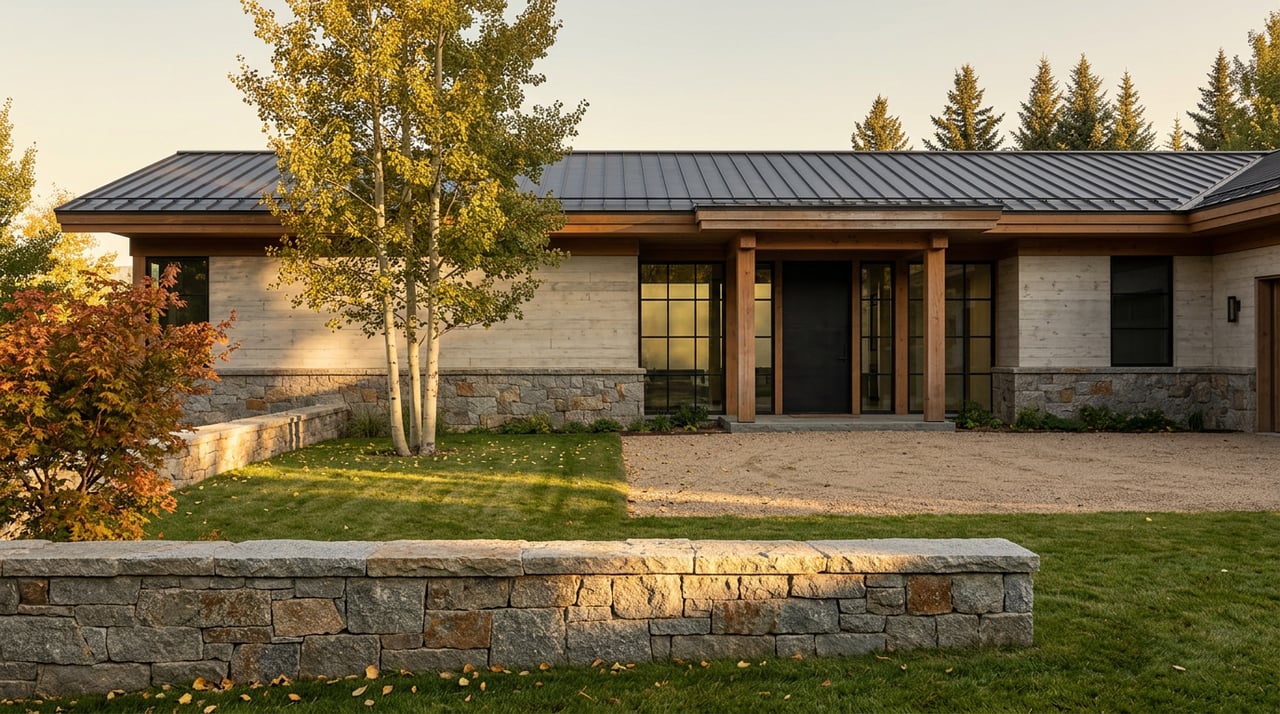
In recent years, Snowmass Village has seen a wave of contemporary construction that stands in clear contrast to the area's earlier styles. These newer homes tend to favor cleaner lines, expansive glass, and a mix of natural and industrial materials that create a more modern feel. It's a noticeable shift from the heavier, more traditional look that defined the village for decades.
I've represented several of these newer builds, and I think they appeal most to buyers who want the mountain setting without the more traditional alpine look. Many of these homes still nod to the surrounding landscape, just through a more contemporary lens.
I've represented several of these newer builds, and I think they appeal most to buyers who want the mountain setting without the more traditional alpine look. Many of these homes still nod to the surrounding landscape, just through a more contemporary lens.
Features Common in Modern Builds
- Large expanses of glass designed to frame mountain and valley views
- Clean, minimal rooflines that depart from traditional steep alpine designs
- A mix of materials like steel, concrete, and reclaimed wood
- Open floor plans that prioritize natural light and indoor-outdoor flow
- Smart home technology and energy-efficient systems built in from the start
How Architecture Affects Value and Buying Decisions
The architectural style of a home in Snowmass Village can meaningfully affect both its appeal and its resale value, and it's something I talk through with nearly every client. Some buyers are drawn specifically to historic or alpine character, while others want a fully modern build with none of the traditional elements. Neither preference is right or wrong, but it does shape the search significantly.
Understanding these preferences early in a search saves a lot of time, since it narrows down which neighborhoods and properties are worth focusing on. I always encourage clients to look at a range of styles in person before settling on what they actually want.
Understanding these preferences early in a search saves a lot of time, since it narrows down which neighborhoods and properties are worth focusing on. I always encourage clients to look at a range of styles in person before settling on what they actually want.
What to Consider When Comparing Styles
- Whether you're drawn to historic character or a fully modern aesthetic
- How well a home's design has been maintained or updated over time
- The long-term resale appeal of the architectural style in this specific market
- How a home's style fits with its surrounding neighborhood
FAQs
What architectural styles are most common in Snowmass Village?
Alpine and chalet-style homes remain some of the most common, especially in older parts of the village, alongside a growing number of contemporary builds. Mid-century mountain design is also present from the village's founding era in the late 1960s. Buyers here have a genuinely wide range of styles to choose from.
Are historic homes still available in Snowmass Village?
Yes, though they represent a smaller share of the market compared to newer construction. Many of these homes have been updated over the years while still retaining their original character. I always point out these details to clients who have a particular interest in the area's history.
Does architectural style affect a home's resale value here?
Yes, style can meaningfully affect both buyer interest and resale value, since preferences vary quite a bit between buyers looking for historic charm and those wanting a modern build. Well-maintained homes in either style tend to hold their value well in this market. I always factor this into pricing conversations with sellers.
Contact Steve Harriage Today
Whether you're drawn to the character of an alpine-style home or the clean lines of a modern build, I can help you find a property in Snowmass Village that matches your taste. I've spent years getting to know this market and the range of architecture it offers, and I enjoy helping buyers find a home that truly fits them.
If you're thinking about buying or selling a home in Snowmass Village, reach out to me, Steve Harriage, and I'll help you navigate the options. I'm always happy to talk through what makes a particular style or property right for you.
If you're thinking about buying or selling a home in Snowmass Village, reach out to me, Steve Harriage, and I'll help you navigate the options. I'm always happy to talk through what makes a particular style or property right for you.