By Steve Harriage
If you're buying a home in Snowmass Village, you're likely wondering: what does homeowners insurance cover? It's one of the most common questions I hear from clients, and it's a smart one. Your home is a major investment, and understanding your coverage helps you protect it fully. Let me walk you through the basics so you can feel confident in your policy and your purchase.
Key Takeaways
-
Covers your home's structure, belongings, and liability
-
Often required by mortgage lenders
-
Coverage varies based on policy type and provider
-
Important to tailor your coverage to Snowmass Village's unique environment
What Basic Homeowners Insurance Typically Covers
Here’s What Most Standard Policies Include
When you choose a homeowners insurance policy, most standard plans (like HO-3 policies) include the following types of coverage:
-
Dwelling coverage: This protects the structure of your home, including the roof, walls, and built-in appliances.
-
Other structures: Think garages, sheds, fences—these are usually covered up to a certain percentage of the dwelling limit.
-
Personal property: Covers furniture, electronics, and valuables inside your home, typically on an actual cash value or replacement cost basis.
-
Liability protection: Helps with legal expenses if someone is injured on your property or you cause damage to someone else’s property.
-
Additional living expenses (ALE): Pays for hotel stays, meals, or rentals if your home is unlivable due to a covered event.
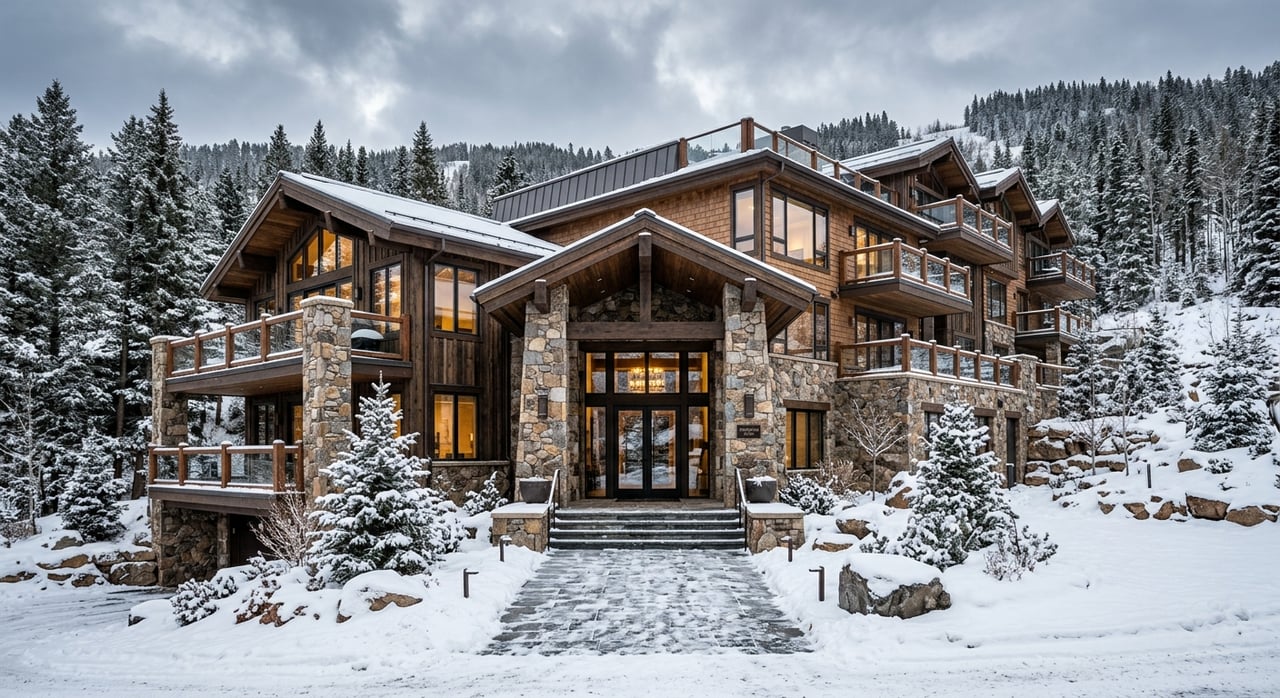
In Snowmass Village, where custom-built mountain homes and luxury properties are common, it’s especially important to check the limits of your dwelling and personal property coverage.
What Homeowners Insurance Usually Doesn’t Cover
Know What to Plan For Separately
Understanding what isn't covered is just as important as knowing what is. Standard homeowners insurance does not typically include:
-
Flood damage: While Snowmass Village is in a mountainous region, flash flooding from snowmelt or heavy rain is still possible. You’ll need a separate policy through the National Flood Insurance Program or a private provider to be protected.
-
Earthquake or landslide damage: Snowmass Village properties may face unique terrain-related risks, especially in hillside areas. These typically require additional riders since they're excluded from standard policies.
-
Normal wear and tear: Insurance doesn’t cover maintenance-related issues or aging systems.
-
Luxury items beyond policy limits: Jewelry, art, and collectibles may need scheduled personal property coverage.
Given the terrain and seasonal conditions here in Snowmass Village, I always recommend reviewing exclusions carefully and considering supplemental coverage where needed.
Customizing Coverage for Snowmass Village Properties
Why Local Factors Matter
Properties in Snowmass Village often need more than a standard one-size-fits-all policy. Here’s what to consider when tailoring your insurance:
-
High rebuild costs: Luxury mountain homes can have higher-than-average rebuild costs due to materials and craftsmanship.
-
Snow load and freeze risks: These aren’t always covered by default; check your policy for winter-specific language.
-
Vacation or rental use: If your home doubles as a rental or seasonal escape, you may need a landlord or second-home policy.
-
Proximity to wilderness areas: This can increase wildfire risk. In recent years, some parts of Snowmass Village have experienced higher premiums or non-renewals due to updated wildfire zoning, so it’s essential to verify your policy's current stance.
Working with a local agent who understands the nuances of the Snowmass Village market is key to getting the right protection.
How to Choose the Right Homeowners Insurance Policy
Steps to Make an Informed Decision
Shopping for homeowners insurance doesn’t need to be overwhelming. Here are a few practical tips:
-
Assess your property value: Include custom finishes, land improvements, and unique features.
-
Compare providers: Get multiple quotes and understand what’s included in each.
-
Bundle policies: Consider combining home and auto insurance to save.
-
Review annually: Reassess coverage each year, especially if you've renovated or upgraded.
-
Ask about discounts: Security systems, new roofs, and claims-free histories can all lead to savings.
Remember, the cheapest policy isn’t always the best. In a luxury market like Snowmass Village, comprehensive coverage brings peace of mind.
FAQs
Do I need homeowners insurance if I own my home outright?
Technically, no—but it's highly recommended. Without it, you're responsible for all repair and liability costs out of pocket.
Does homeowners insurance cover wildfires in Snowmass Village?
It often does, but coverage depends on the policy and your exact location. Some insurers may charge more or have exclusions based on fire risk.
Can I change my policy after closing on my home?
Yes, you can switch or update your policy at any time. Just make sure there’s no gap in coverage.
Contact Me Today
Homeowners insurance is more than just a requirement—it’s a foundation of smart homeownership. I’m here to help you find the right coverage that protects your property, lifestyle, and long-term investment.
Reach out to me at Steve Harriage, and I’ll walk you through the details, connect you with trusted providers, and make sure your Snowmass Village home is covered from every angle. Whether you're buying your first mountain home or upgrading to a luxury retreat, I’m ready to support you every step of the way.
Reach out to me at Steve Harriage, and I’ll walk you through the details, connect you with trusted providers, and make sure your Snowmass Village home is covered from every angle. Whether you're buying your first mountain home or upgrading to a luxury retreat, I’m ready to support you every step of the way.