If you are thinking about living in Aspen, the lifestyle can feel both exciting and hard to picture until you understand the rhythm of daily life. This is a small mountain city with world-known ski access, a walkable downtown, and an unusually strong arts and culture scene packed into just a few square miles. If you want to know what it is really like to live here through winter, summer, and everything in between, this guide will help you see how Aspen fits day-to-day life. Let’s dive in.
Aspen feels small and connected
Aspen is compact in a way that shapes nearly every part of daily living. The city has an estimated 6,556 residents in 2024, covers about 3.7 square miles, and sits at 7,908 feet in elevation in Pitkin County.
That small footprint means many places you use often are close together. Downtown, trails, ski access, restaurants, shops, and community amenities all sit within a relatively tight area, which gives Aspen a connected, village-like feel rather than the spread-out pattern you find in many mountain destinations.
Aspen also has a highly educated resident base, with 69.6% of adults age 25 and older holding a bachelor’s degree or higher. In daily life, that often shows up in the town’s strong cultural calendar, civic energy, and the value many residents place on both outdoor recreation and year-round learning.
Altitude shapes everyday life
Living in Aspen means living at high altitude, and that affects how you feel, plan, and move through the day. Newcomers often need time to acclimate, and both the city and chamber advise residents and visitors to take that adjustment seriously.
The climate is dry, strongly seasonal, and known for temperature swings between day and night. Weather also tends to move faster than it does in lower-elevation towns, so checking the forecast becomes part of your routine, especially if you are planning time on the mountain or trail.
In practical terms, Aspen living usually means dressing in layers and staying flexible. A sunny morning can shift quickly, and cool evenings are common even in summer.
Winter life revolves around the mountains
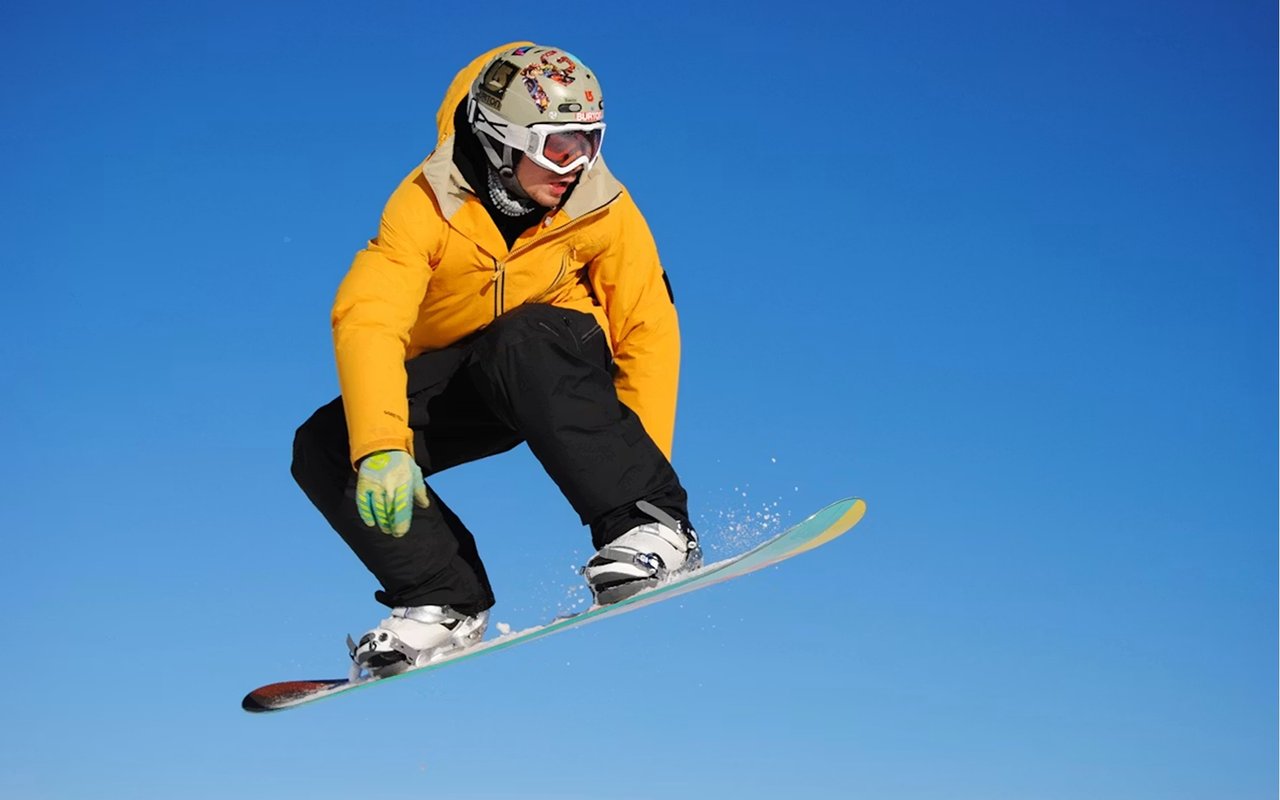
For many residents, winter is the season that defines Aspen. Aspen Snowmass includes four mountains on one lift ticket: Aspen Mountain, Aspen Highlands, Buttermilk, and Snowmass, with more than 5,700 acres of terrain.
Aspen Mountain rises directly from downtown, which is one of the things that makes the town feel so distinctive. The Silver Queen Gondola connects town to the mountain, so ski access is not tucked away on the edge of town. It is built into the center of daily life.
That creates a winter rhythm that can include skiing before work, meeting someone downtown in the afternoon, or ending the day with an après-ski stop in town. Even if you are not skiing every day, the season has a shared energy that is hard to miss.
Winter weather is a real part of the lifestyle
Aspen has a true snow season, not just a few scenic storms. NOAA normals show January mean daily highs of 32.0°F and lows of 9.9°F, February highs of 35.3°F and lows of 12.5°F, and annual snowfall of 170.8 inches.
That means winter living here calls for planning. You will want the right outerwear, good winter footwear, and a schedule that leaves room for weather conditions to change.
For many people, this is part of Aspen’s appeal rather than a drawback. Snow is not a background detail here. It is part of the way the town looks, moves, and feels for months at a time.
Winter still feels social and lively
Aspen’s winter culture is about more than ski days. Community traditions help make the season feel active and celebratory, with Wintersköl standing out as one of the signature local events.
Dating back to 1951, Wintersköl includes activities such as snow sculptures, live music, a soup contest, a bonfire, a torchlight descent, and fireworks. For residents, events like this add a sense of ritual and community to the colder months.
Getting around is easier than many expect
One of Aspen’s biggest surprises for new residents is how car-light daily life can be. The city’s transportation system is designed to help preserve Aspen’s character while reducing congestion and pollution.
The city offers free shuttles to places like offices, trailheads, ski lifts, and other destinations. There is also a free bus between Aspen and the airport, and RFTA service connects Aspen with Snowmass and the broader Roaring Fork Valley.
Downtown’s pedestrian mall adds to that ease of movement. If you value being able to walk to dinner, run errands without much driving, or move between outdoor activities and town with less hassle, Aspen stands out.
Summer brings a different kind of mountain life
Summer in Aspen is active, scenic, and generally mild. NOAA normals show July mean daily highs of 75.5°F and lows of 48.1°F, with August highs of 73.1°F and lows of 47.1°F.
That usually translates to warm days and cool evenings rather than long stretches of heat. Brief afternoon showers and thunderstorms are common, so even summer plans benefit from a little flexibility.
For many residents, summer is when the landscape becomes even more woven into everyday life. Instead of skiing, the focus shifts toward hiking, biking, and time on the trail.
Trails and outdoor access stay central
Aspen manages more than 25 miles of hard-surface, soft-surface, and single-track trails. The Rio Grande Trail connects Aspen to Glenwood Springs, and shuttle service supports access to trailheads and the Maroon Bells scenic bus route.
This helps explain why Aspen often feels different from a typical resort town. Outdoor recreation is not limited to vacation windows or special outings. It stays close to daily routines.
If you are considering a fuller-time move, this is one of the clearest lifestyle advantages. The surrounding landscape is not something you drive far to reach. It is part of how people live here.
Arts and culture add depth year-round
Aspen has a broader identity than many people expect from a ski town. Alongside the outdoor lifestyle, the city supports a strong cultural scene that gives the community a more layered feel.
The Aspen Music Festival and School runs an eight-week summer season with hundreds of classical events. The annual Food & Wine Classic in Aspen is a major June event, and the Aspen Institute hosts year-round convenings and public programs.
Other institutions deepen that cultural mix as well. The Aspen Art Museum offers free admission and contemporary art programming, while the Wheeler Opera House serves as a venue for music, comedy, theater, film, and conversation.
For buyers comparing mountain towns, this matters. Aspen offers outdoor access, but it also offers a steady flow of ideas, performances, and public events that shape life beyond the slopes.
Daily errands are more convenient than you might think
Aspen’s downtown is compact, but it is packed with amenities. The chamber notes roughly 80 restaurants and bars, about 150 shops and boutiques, and three grocery or convenience stores.
Most hotels, shops, and restaurants are within comfortable walking distance, which supports the town’s easy day-to-day flow. You can often combine errands, dining, and social plans without needing to drive across a large area.
Core services are also strong for a city of this size. Aspen Valley Hospital, pharmacies, the Aspen/Pitkin County Library, recreation centers, parks, golf, and skating all help support year-round living.
Travel access is unusually convenient
Aspen/Pitkin County Airport is about three miles from downtown. The chamber reports nonstop service from several major U.S. cities, and the city’s free airport bus adds another layer of convenience.
For second-home owners, part-time residents, and people balancing mountain living with travel, this ease of access can be a meaningful advantage. Aspen feels tucked into the mountains, but it is not cut off.
Who Aspen tends to fit best
Aspen tends to appeal to people who want an outdoor-first lifestyle with strong walkability, less dependence on a car, and a cultural scene that stays active throughout the year. It can be a strong fit if you are comfortable with altitude, snow, and planning around weather.
It also tends to work well for buyers looking for a mountain home that supports both recreation and convenience. If you want to be close to skiing, trails, restaurants, events, and air travel in a very compact setting, Aspen offers a rare combination.
From a real estate perspective, that lifestyle fit matters as much as the property itself. Understanding how you want to spend your time in Aspen often helps clarify whether a downtown residence, ski-access property, lock-and-leave condo, or another mountain home style makes the most sense.
If you are exploring Aspen as a primary home, second home, or long-term lifestyle move, local guidance can make that process much clearer. For personalized insight on Aspen, Snowmass, and mountain property options across the Roaring Fork Valley, connect with Steve Harriage.
FAQs
What is daily life in Aspen like for full-time residents?
- Daily life in Aspen often blends outdoor activity, walkability, and a strong town center, with many errands, dining plans, and seasonal recreation options close together.
What is winter like in Aspen, Colorado?
- Winter in Aspen is snowy and active, with average January highs around 32.0°F, annual snowfall of 170.8 inches, and daily life that often centers around ski access and downtown activity.
What is summer like in Aspen, Colorado?
- Summer in Aspen is generally mild, with July average highs around 75.5°F, cool evenings, common afternoon showers, and easy access to hiking, biking, and trails.
Is Aspen a walkable place to live?
- Aspen is more walkable than many mountain towns because of its compact layout, pedestrian mall, free local shuttles, and transit connections to nearby destinations.
Does Aspen offer more than skiing?
- Yes, Aspen has a strong year-round cultural scene that includes the Aspen Music Festival and School, Aspen Art Museum, Wheeler Opera House, Food & Wine Classic in Aspen, and Aspen Institute programming.
Who should consider living in Aspen?
- Aspen often fits buyers who want a compact mountain setting with ski access, trail access, cultural amenities, convenient travel connections, and a lifestyle shaped by all four seasons.